
Shop · Category
Metallographic abrasive papers
SiC and aluminium oxide abrasive papers, adhesive-backed and plain, plus MET-F foil for grinding metallographic specimens.
 Distributor in Poland
Showing all 5 results
-
MET-F Metallographic grinding foil
Ask about this product -
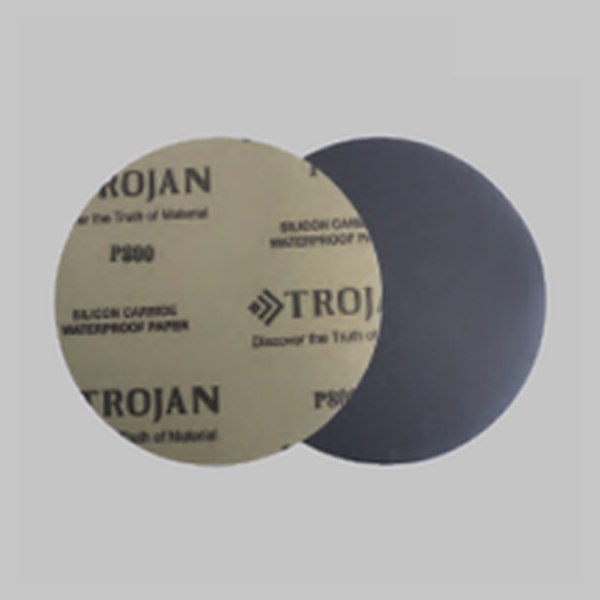
MET-S Silicon carbide abrasive paper (non-adhesive)
Ask about this product -
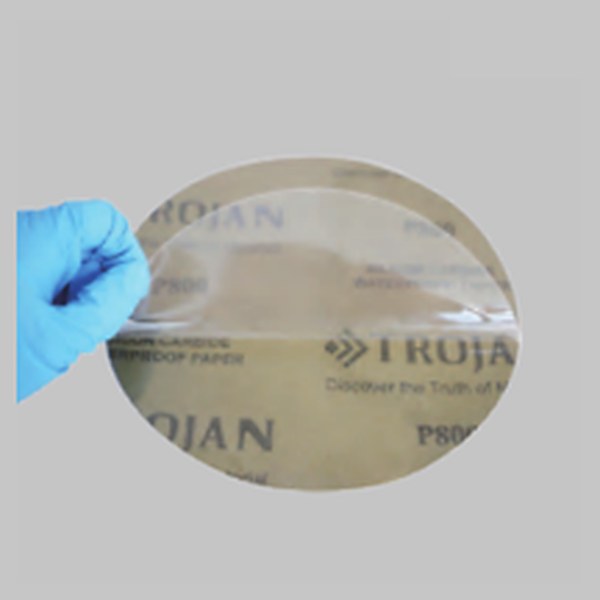
MET-SP Silicon carbide abrasive paper (adhesive-backed)
Ask about this product -
MET-M Aluminium oxide abrasive paper (non-adhesive)
Ask about this product -
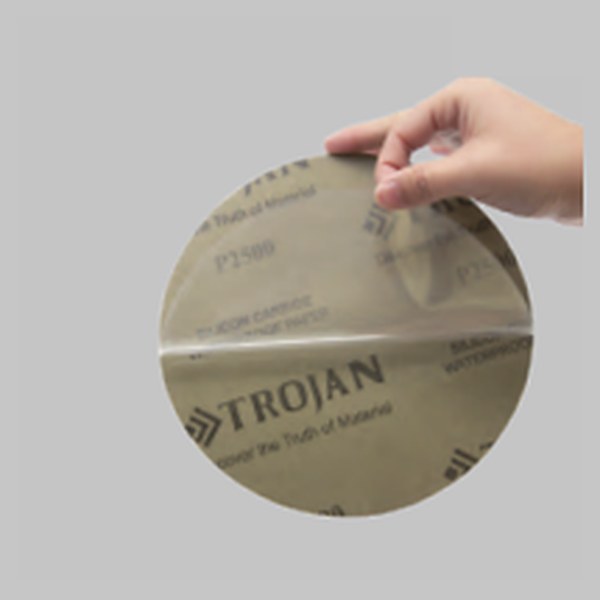
MET-MP Aluminium oxide abrasive paper (adhesive-backed)
Ask about this product
SiC or aluminium oxide abrasive paper
Metallographic papers carry hard grain of uniform size, evenly applied by electrostatic coating. As a result they stay sharp longer and limit specimen deformation.
Silicon carbide (SiC) is the most widely used abrasive for metals, electronic materials and plastics. Aluminium oxide (Al₂O₃) is wear resistant. The MET-F foil for steel and cast iron lasts, according to the manufacturer, more than three times longer than standard SiC paper.
How to grind a metallographic specimen
- Choose a starting grit that levels the cut surface, then step down to finer and finer grit.
- Keep each step going until the scratches of the previous one are gone — the deformed layer gets thinner each time.
- Grind wet: water cools and lubricates, limits smearing and reduces dust.
- At the same grit, soft materials deform deeper than hard ones — finish them with finer grit.
- Mount plain papers on the AD-PB disc, adhesive papers and foils on AD-PSA or AD-Foil.
Frequently asked questions
What does the P in a grit such as P1200 mean?
That the grit is given on the European FEPA P scale. The higher the number, the finer the grain. The US ANSI scale (e.g. #600) uses different numbers for the same grain, so the two scales are not interchangeable — a procedure from a US standard has to be converted.
How many discs are in a pack?
Papers up to P120 come in packs of 50; finer grits and the MET-F foil in packs of 100. The pack size of every order number is in the table on the product page.
Adhesive-backed or plain paper?
Adhesive-backed (PSA) paper mounts quickly and lies flat on the disc, which helps keep the specimen flat. Plain (PB) paper is placed on the AD-PB disc with its reusable adhesive layer — handy when you change grits often.
When should a diamond disc replace paper?
For very hard and brittle materials — cemented carbides, ceramics, hardened steel — and for long specimen series where life and flatness matter. The discs are in Diamond grinding discs for metallography.