
Shop · Category
Polishing suspensions and diamond pastes
Diamond suspensions, sprays and pastes, alumina suspensions and powders, colloidal silica and polishing lubricants.
 Distributor in Poland
Showing all 13 results
-
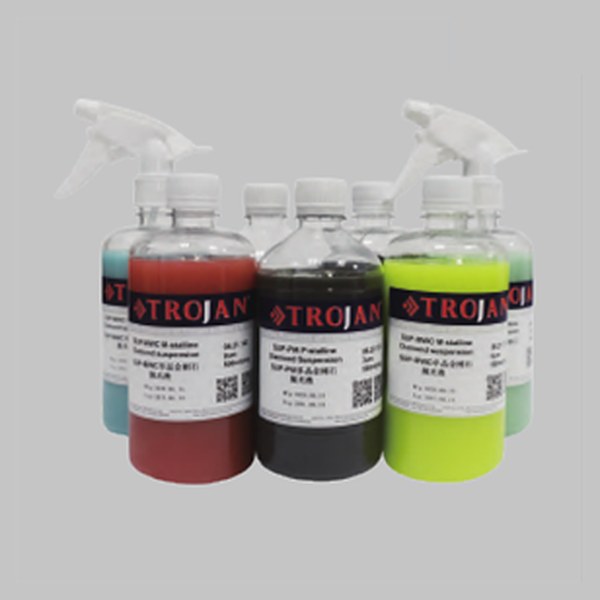
MD-WT Monocrystalline diamond polishing suspension
Ask about this product -
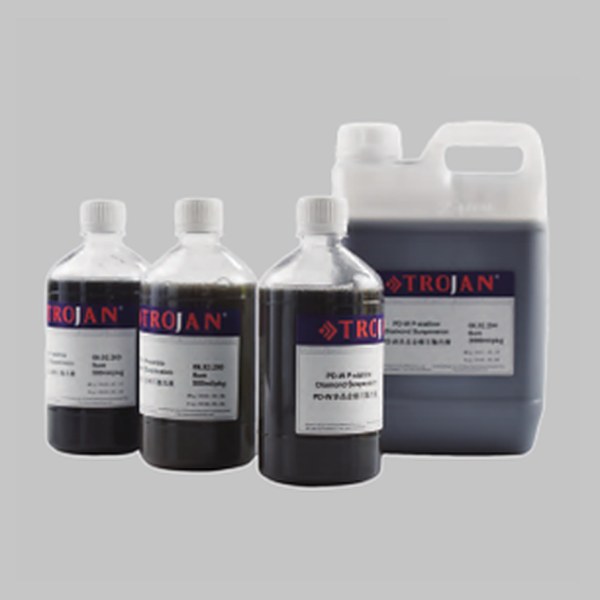
PD-WT Polycrystalline diamond polishing suspension
Ask about this product -
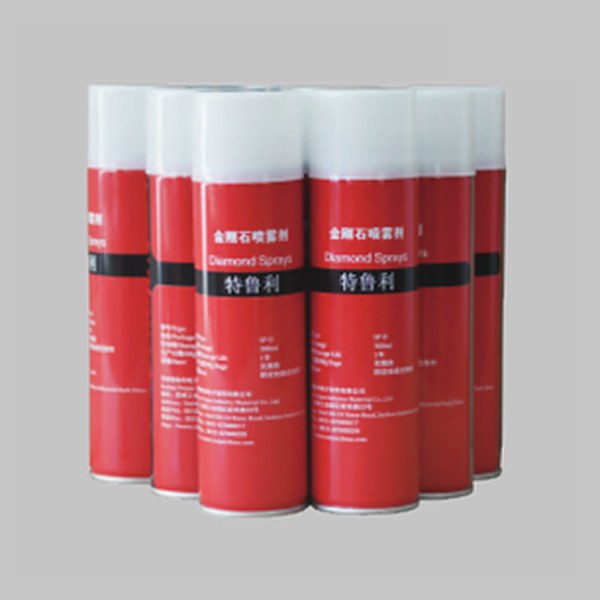
SP-D Monocrystalline diamond spray
Ask about this product -
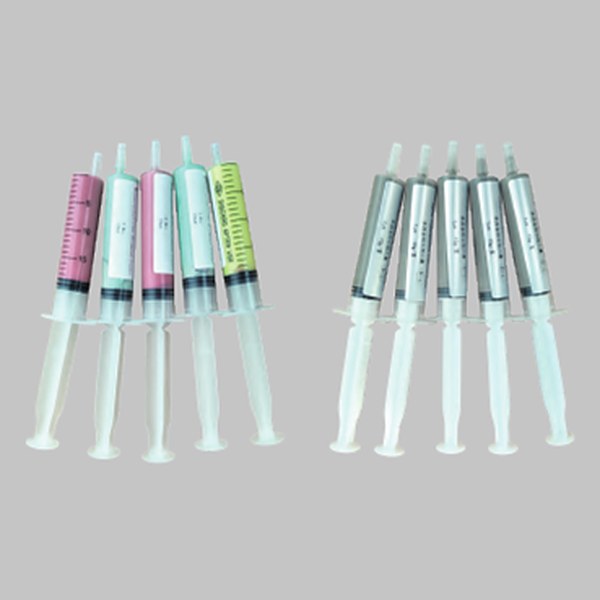
Diamond pastes, monocrystalline and polycrystalline
Ask about this product -
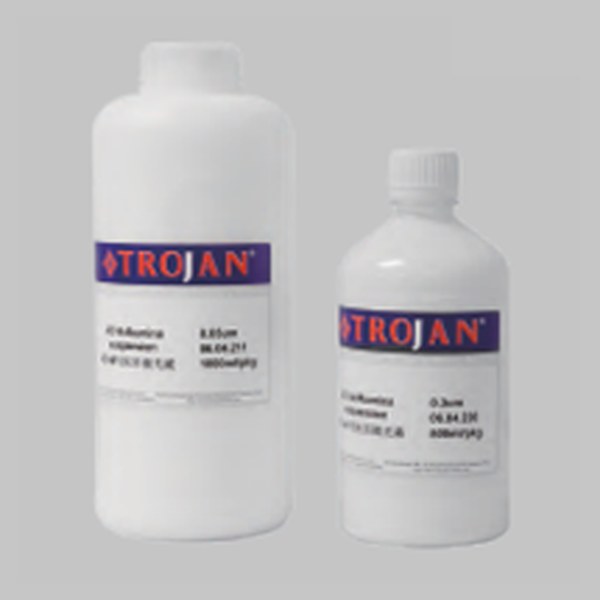
AO-W Alumina polishing suspension
Ask about this product -
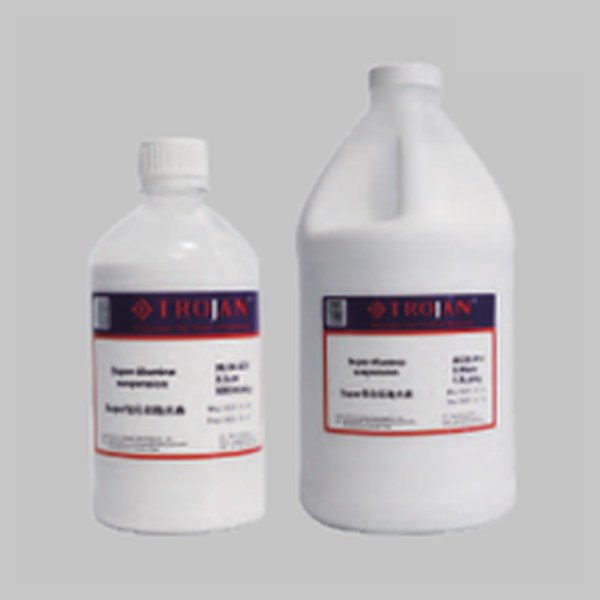
Super Alumina polishing suspension, non-agglomerated
Ask about this product -
Super Alumina polishing powder, non-agglomerated
Ask about this product -
AO-P Alumina polishing powder
Ask about this product -
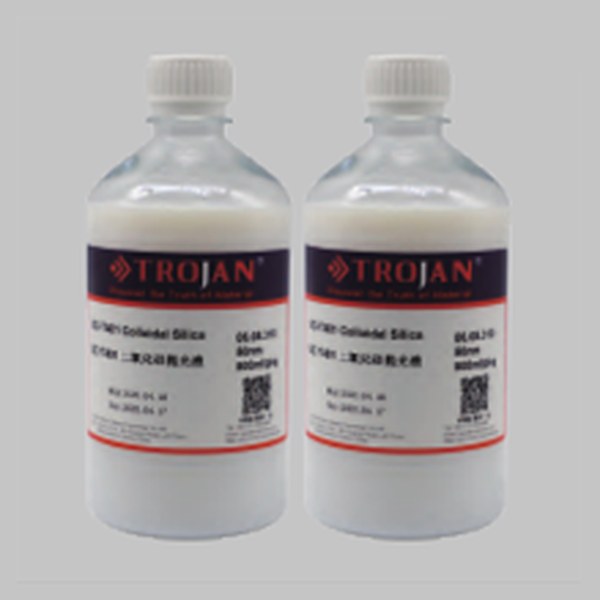
SO-T401 Non-crystallising colloidal silica suspension
Ask about this product -
SO-A439 Non-crystallising colloidal silica suspension
Ask about this product -
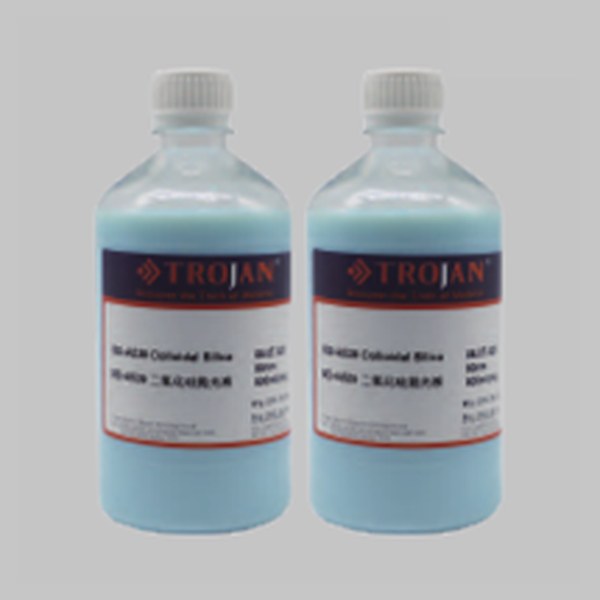
SO-A539 Colloidal silica polishing suspension
Ask about this product -
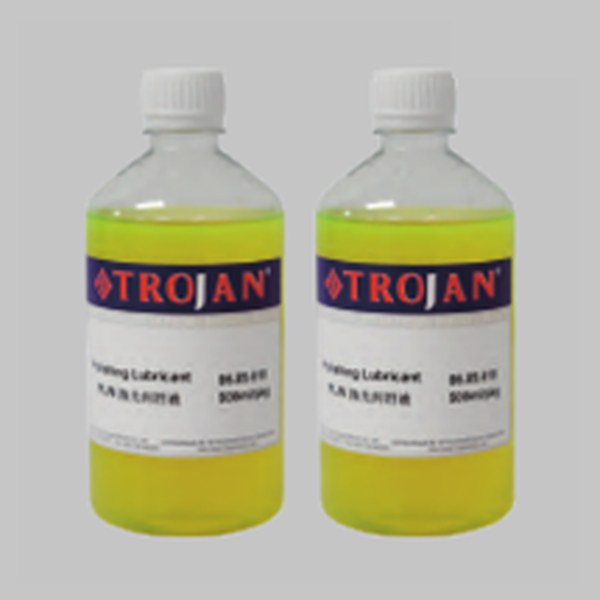
PL-W Polishing lubricant
Ask about this product -
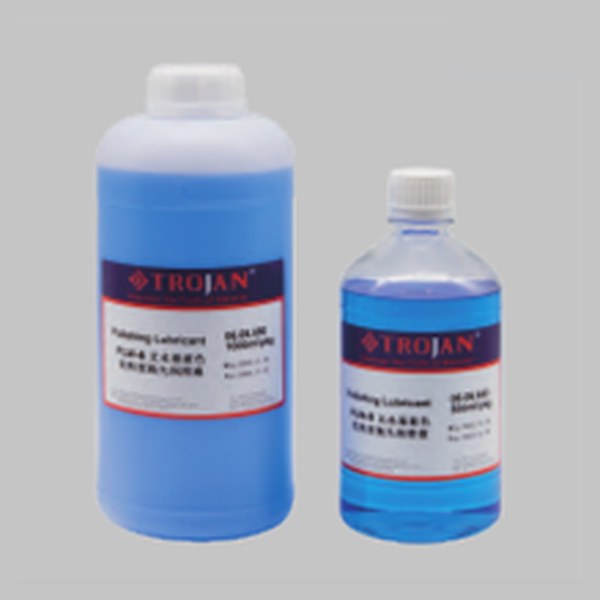
PL-WB Water-free low-viscosity polishing lubricant
Ask about this product
Diamond, alumina or colloidal silica
The polishing medium is chosen for the step and the material. Diamond quickly removes grinding scratches in most materials. Alumina and colloidal silica are used for final polishing and for soft metals, in which diamond grain could embed.
| Medium | Grain | Use |
|---|---|---|
| MD-WT | 0.25–9 µm | monocrystalline diamond suspension — efficient polishing of many materials |
| PD-WT | 0.25–9 µm | polycrystalline diamond suspension — fewer scratches, suitable for automatic dosing |
| SP-D | 0.5–10 µm | diamond spray — steel and other ferrous alloys |
| Diamond pastes | 1–9 µm | high diamond concentration, used with a lubricant |
| AO-W | 0.05–1 µm | alumina in water — copper, tin, PCB, SMT, semiconductors |
| Super (suspension) | 0.05 µm | gel, non-agglomerated alumina — minerals, ferrous alloys, carbides |
| AO-P | 0.05–1 µm | alumina powder — lead, magnesium and their alloys |
| SO-T401 | 50 nm | colloidal silica — final polishing of iron, steel and titanium |
| SO-A439 | 50 nm | colloidal silica — tin, aluminium, semiconductors, PCB |
| SO-A539 | 50 nm | colloidal silica — refractory metals, minerals, ceramics |
Monocrystalline or polycrystalline diamond suspension
Monocrystalline diamond has grain of uniform size that polishes efficiently at a reasonable cost — a good choice for most work. Polycrystalline grain has many cutting edges and exposes new ones as it breaks down, so it cuts evenly and leaves fewer scratches and less deformation.
Diamond paste has a high diamond concentration and high viscosity, while a spray is the simplest to use. Pastes are used with a lubricant, suspensions and sprays when needed: PL-W is water soluble, water-free PL-WB is for water-sensitive materials.
Final polishing and EBSD specimens
For routine examination, 1 µm diamond polishing is usually enough. At high magnification, in polarised light, with interference contrast or in EBSD, even a thin deformed layer distorts the result — that is when final polishing is needed.
Alumina removes this layer mechanically. Colloidal silica works chemically and mechanically: SiO₂ particles react with the surface layer of the specimen and remove it without introducing new deformation.
Frequently asked questions
Why are soft metals polished with alumina rather than diamond?
When polishing tin, lead, aluminium or indium, diamond grain from a paste or suspension can embed in the specimen surface. An alumina suspension such as AO-W does not have this problem.
What does “non-crystallising” colloidal silica mean?
That the suspension does not form crystals when it dries on the cloth or specimen. Dried silica crystals can scratch a polished surface. SO-T401 and SO-A439 have this formula.
Water-based or water-free lubricant?
PL-W is water soluble and intended for materials that tolerate water. PL-WB is alcohol soluble — for water-sensitive materials. Both reduce friction, limit overheating and extend cloth life.
What pack sizes are available?
Diamond suspensions come in 500 ml bottles, the SP-D spray in 350 ml cans, pastes in 5 g (monocrystalline) and 10 g (polycrystalline). Colloidal silica comes in 500 ml, 1000 ml and 1.9 l packs, lubricants up to 5000 ml.