
Shop · Category
Magnetic particle testing (MT) equipment
Electromagnetic yokes for magnetic particle testing — mains and battery powered, AC and DC — and UV-A LED lamps for evaluating fluorescent indications in MT and PT.
Showing all 11 results
-
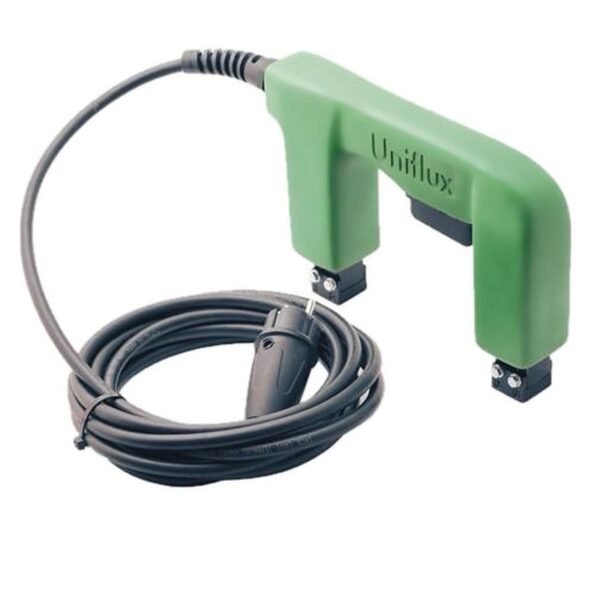
Uniflux UF 230 — AC electromagnetic yoke, 230 V
Ask about this product -
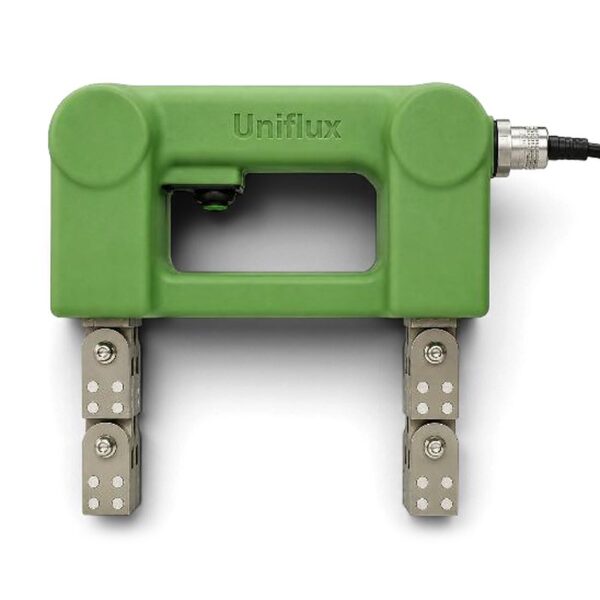
Uniflux UF 220 — AC/DC electromagnetic yoke
Ask about this product -
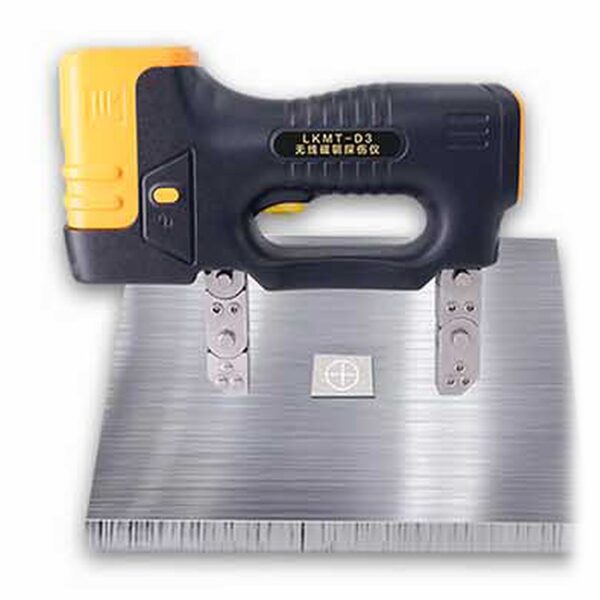
LKMT-D3 — cordless battery AC/DC yoke
Ask about this product -
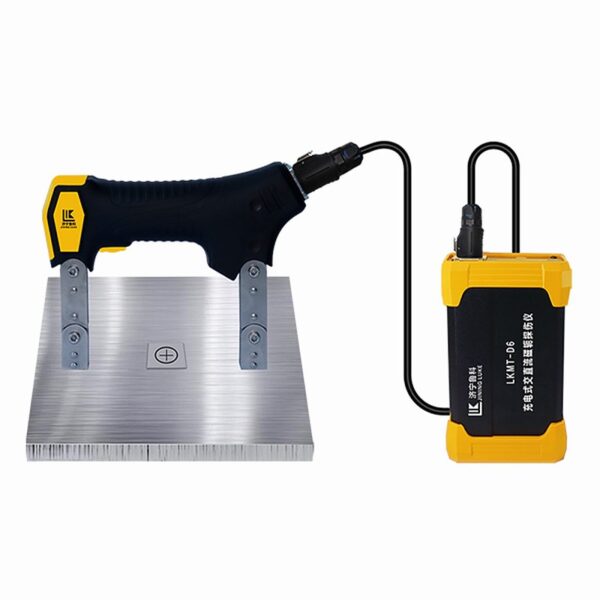
LKMT-D6 — AC/DC yoke with battery module
Ask about this product -
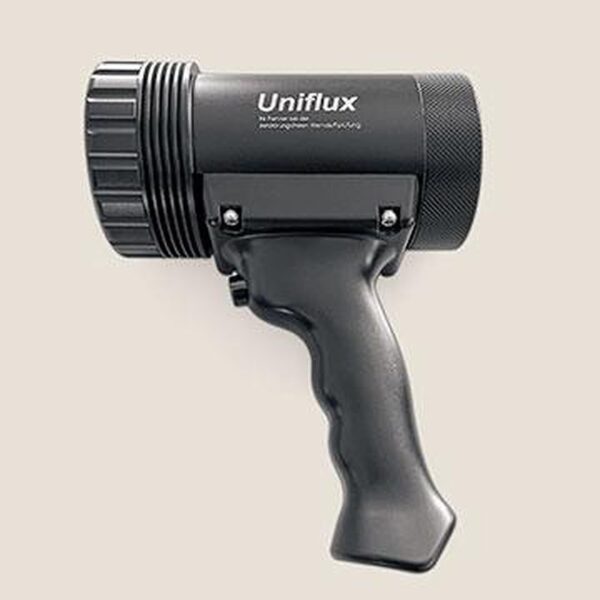
Uniflux LED-5000-KIT — UV-A LED hand lamp kit
Ask about this product -
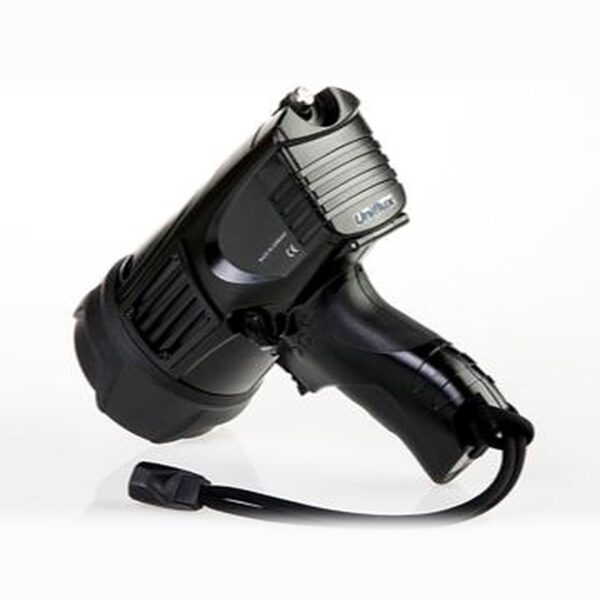
Uniflux LED OS — battery UV-A LED hand lamp
Ask about this product -
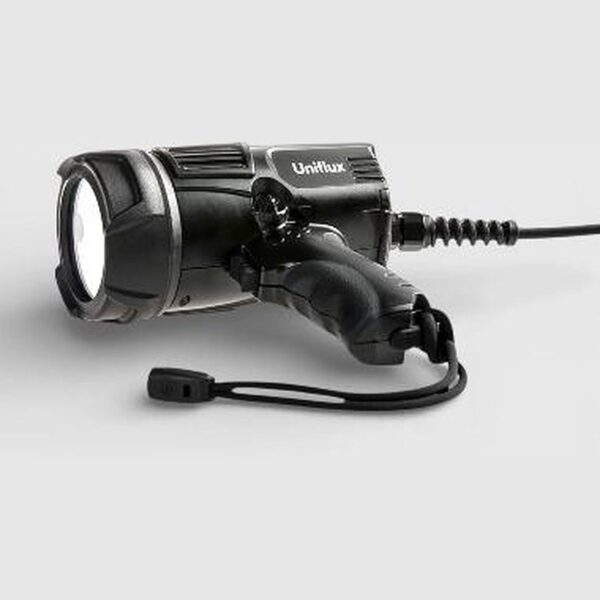
Uniflux LED-OS-K — mains UV-A LED hand lamp
Ask about this product -
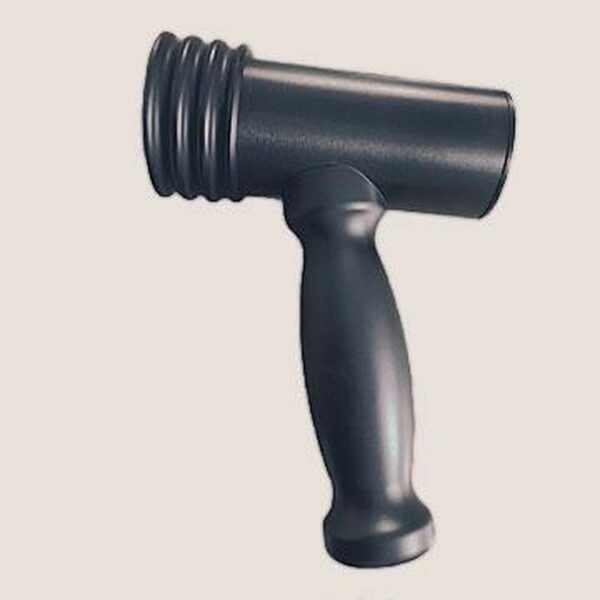
Uniflux LED-ST — UV-A LED hand lamp
Ask about this product -
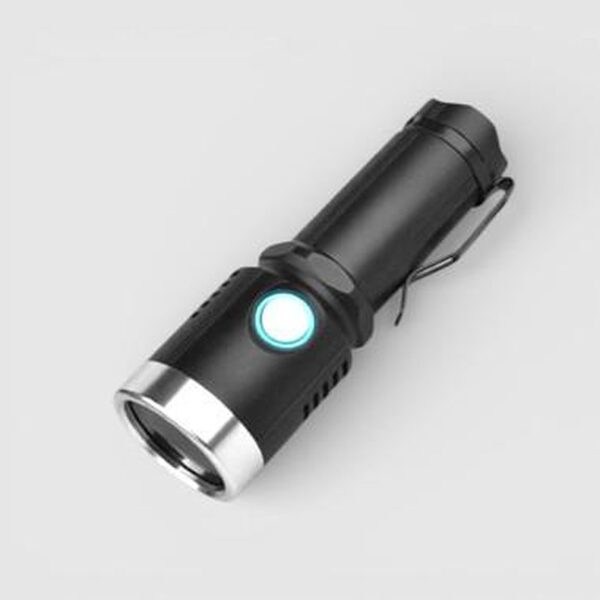
Uniflux LED-1580-L — compact UV-A LED hand lamp
Ask about this product -
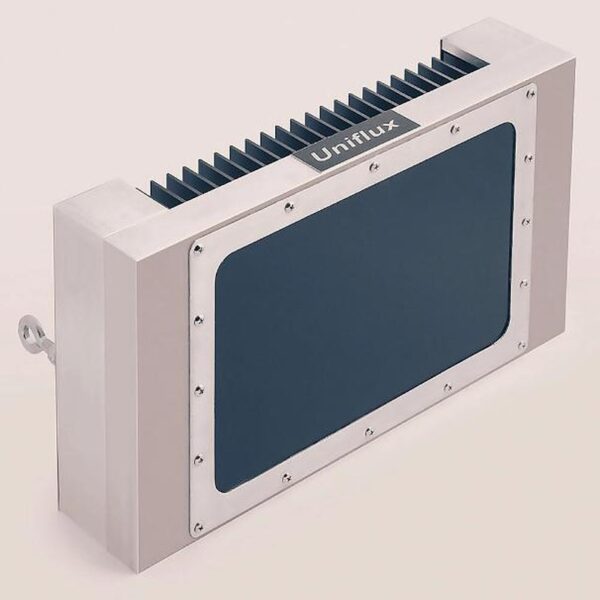
Uniflux UF LED 400 — stationary UV-A LED luminaire
Ask about this product -
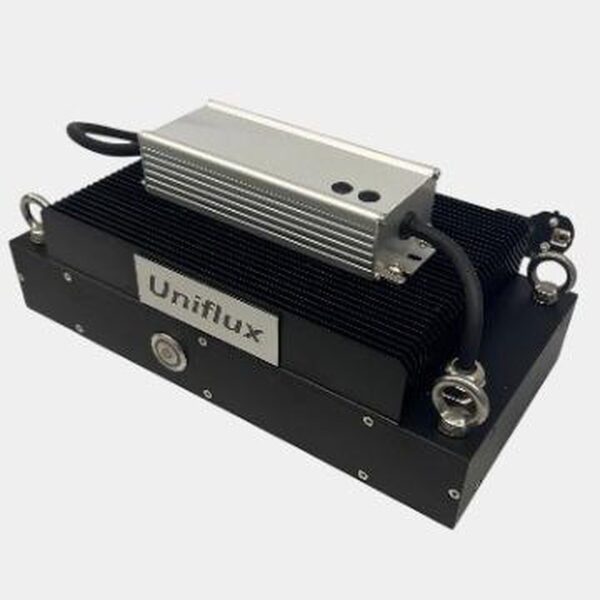
Uniflux UF LED 300 — fanless stationary UV-A LED luminaire
Ask about this product
Magnetic particle testing equipment
Magnetic particle testing (MT) detects cracks and other discontinuities at and just below the surface of ferromagnetic parts. The part is magnetised, and wherever a discontinuity interrupts the magnetic flux, particles gather and form a visible indication. You need three things:
- A magnetising device — for welds and field work usually a hand-held electromagnetic yoke: Electromagnetic yokes for MT.
- Detection media — black ink on white contrast paint, or fluorescent ink: Magnetic particle testing consumables (MT).
- Lighting — white light for the colour-contrast method or a UV-A lamp for the fluorescent method: UV-A LED lamps for MT and PT.
Choosing a kit for the inspection site
The choice of yoke usually depends on whether there is a mains socket near the part, and the choice of lighting on whether the area can be darkened. The table shows typical kits built from products in the shop.
| Inspection site | Yoke | Lighting | Media |
|---|---|---|---|
| Welds in the field, at height, no mains socket | battery LKMT-D3 or LKMT-D6 | white light of at least 500 lx — built into the yoke or a torch | white contrast paint MC 43 and black ink MV 44 |
| Workshop or hall with a 230 V socket | mains Uniflux UF 230 or AC/DC Uniflux UF 220 | UV-A hand lamp, e.g. LED-OS-K with a 5 m cable | fluorescent ink MF 45 or MF 46 |
| Darkened booth, batches of parts | mains AC, e.g. UF 230 | stationary UF LED 400 or UF LED 300 | fluorescent ink |
Mains and battery yokes, Uniflux UV-A LED lamps
The section has Uniflux mains yokes (AC and AC/DC), battery yokes (AC/DC) and Uniflux 365 nm UV-A LED lamps — stationary and hand-held. The product pages list the manufacturers’ technical data: lifting force, pole spacing, UV-A intensity and scope of delivery.
Not sure what to choose? Tell us what parts you inspect, whether there is a mains socket on site and whether you use the colour-contrast or the fluorescent method — we will suggest a kit.
Frequently asked questions
Which materials can be tested with magnetic particles?
Only ferromagnetic ones: carbon and low-alloy steels, cast steel, cast iron and martensitic steels. Austenitic stainless steel, aluminium, copper and titanium cannot be magnetised — they are tested with penetrants (Penetrant testing consumables (PT)).
How deep does magnetic particle testing detect flaws?
At the surface and just below it. A DC field reaches deeper than AC, but these are still near-surface flaws. Flaws deep inside the material are found with ultrasonic testing — the equipment is in Ultrasonic testing equipment.
Colour-contrast or fluorescent method?
The colour-contrast method (black ink on white contrast paint) works in ordinary light and suits field work. The fluorescent method is more sensitive but needs a UV-A lamp and darkening — under EN ISO 3059 at least 10 W/m² UV-A at the surface with ambient light of no more than 20 lx.
Can you help me choose a yoke and a lamp?
Yes. Tell us what you inspect (welds, castings, forgings), where the inspection takes place, whether there is a mains socket and which media you use. We will suggest a yoke, lighting and detection media.