
Shop · Category
Metallographic sample preparation consumables
TROJAN abrasive papers and foils, diamond grinding discs, polishing cloths and suspensions, pastes and lubricants for grinding and polishing metallographic specimens.
 Distributor in Poland
Showing 17–32 of 36 results
-
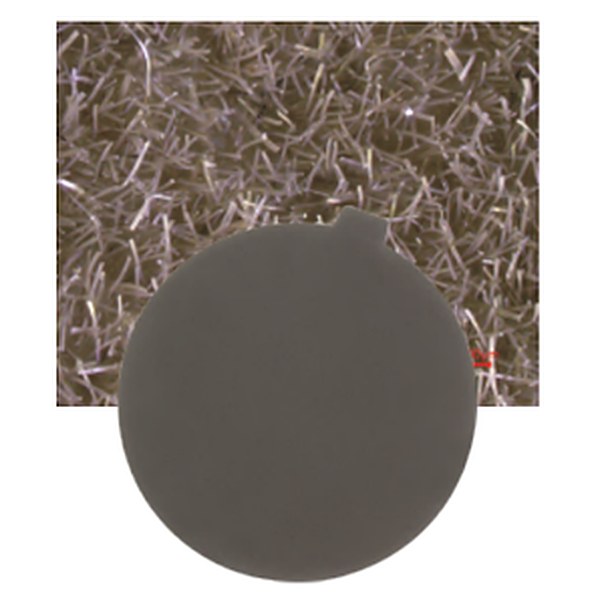
YR-JP Brown synthetic rayon polishing cloth (PSA)
Ask about this product -
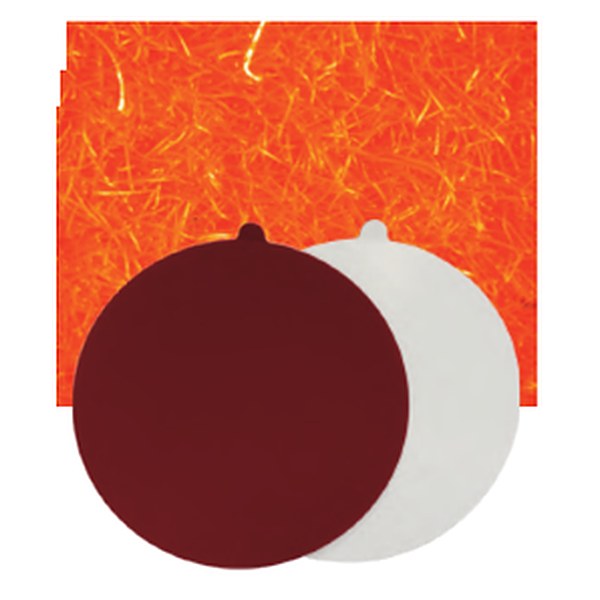
Final Red Final precision polishing cloth (PSA)
Ask about this product -
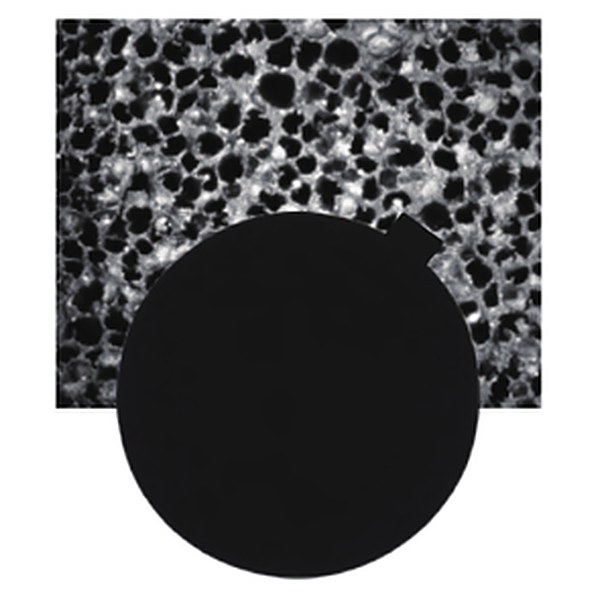
ZN-ZP Black polyurethane polishing cloth (PSA)
Ask about this product -
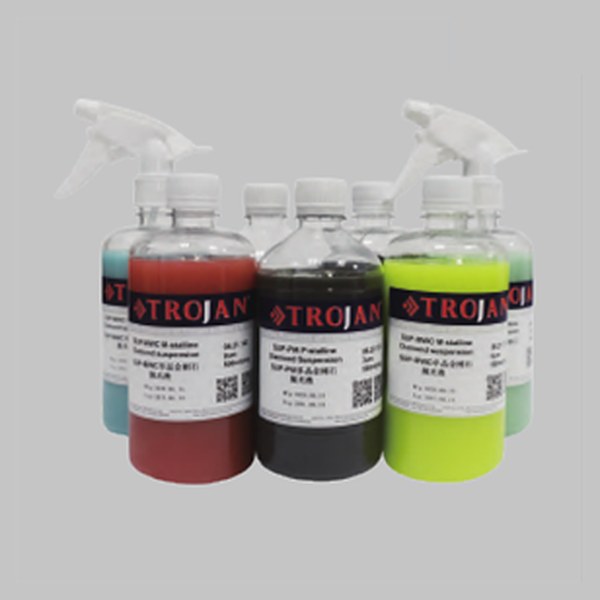
MD-WT Monocrystalline diamond polishing suspension
Ask about this product -
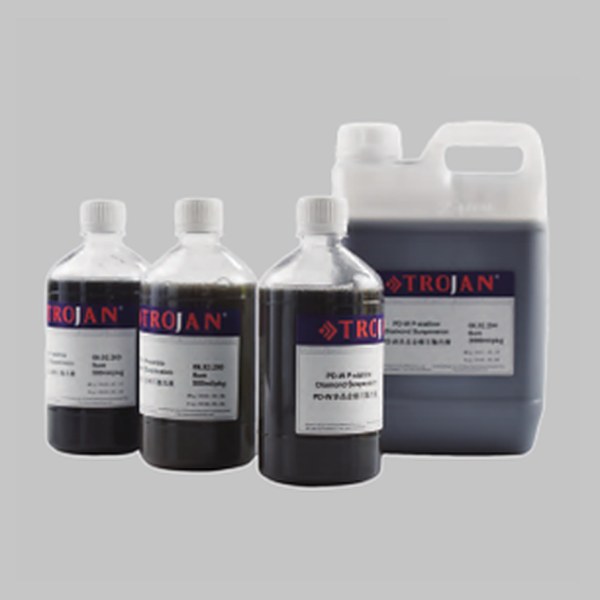
PD-WT Polycrystalline diamond polishing suspension
Ask about this product -
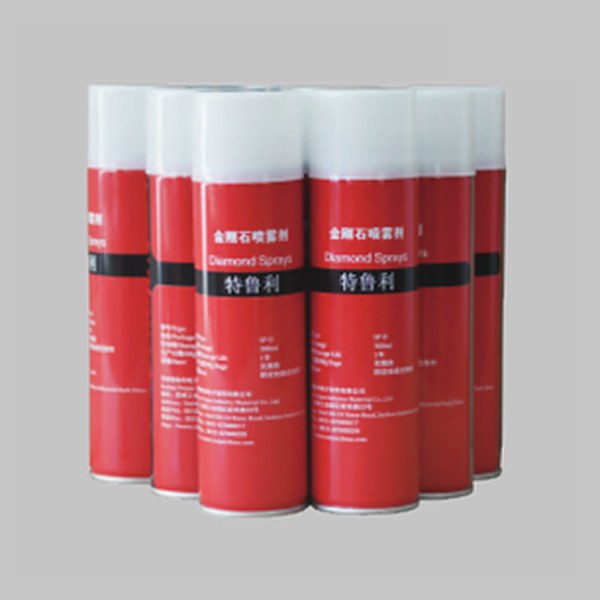
SP-D Monocrystalline diamond spray
Ask about this product -
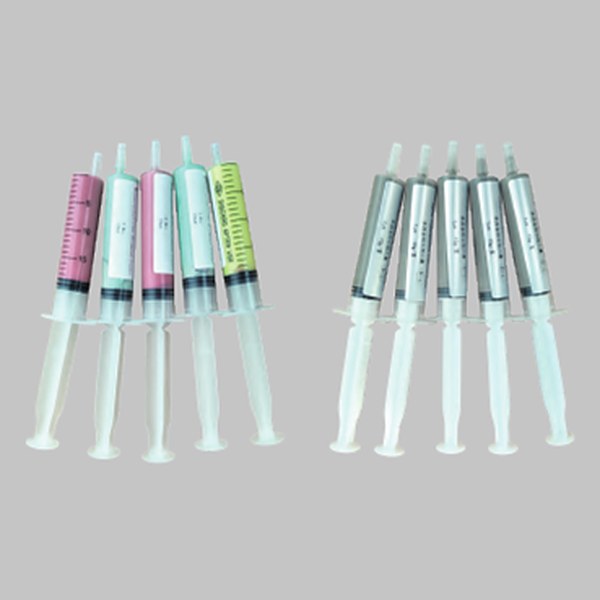
Diamond pastes, monocrystalline and polycrystalline
Ask about this product -
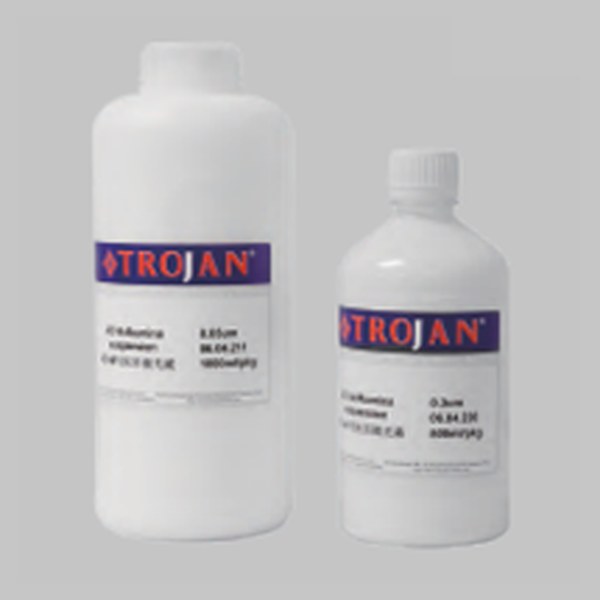
AO-W Alumina polishing suspension
Ask about this product -
Super Alumina polishing suspension, non-agglomerated
Ask about this product -
Super Alumina polishing powder, non-agglomerated
Ask about this product -
AO-P Alumina polishing powder
Ask about this product -
SO-T401 Non-crystallising colloidal silica suspension
Ask about this product -
SO-A439 Non-crystallising colloidal silica suspension
Ask about this product -
SO-A539 Colloidal silica polishing suspension
Ask about this product -
PL-W Polishing lubricant
Ask about this product -
PL-WB Water-free low-viscosity polishing lubricant
Ask about this product
Metallographic sample preparation step by step
A metallographic specimen is prepared in several steps. Each one removes the scratches and deformed layer left by the previous one, until the surface is smooth, mirror-like and shows the true microstructure under the microscope. Every step needs a different consumable:
- Coarse grinding — levelling the surface and removing sectioning damage: Metallographic abrasive papers (usually starting at P80–P120), or Diamond grinding discs for metallography for hard materials.
- Fine grinding — finer and finer grit down to P1200–P4000. Once the specimen is levelled, a POS or POH disc with diamond suspension can replace several paper grinding steps.
- Diamond polishing — Metallographic polishing cloths with diamond suspension, spray or paste from 9 to 1 µm.
- Final polishing — 0.05 µm alumina or colloidal silica on a soft cloth, when the specimen goes under high magnification, polarised light or EBSD.
- Mounting consumables on the grinder-polisher — Adapter and magnetic discs for grinder-polishers let you change papers and cloths in seconds.
TROJAN consumables from one supplier
This section covers all grinding and polishing consumables from the TROJAN catalogue: abrasive papers and foils, diamond grinding discs, polishing cloths, suspensions, pastes and lubricants, and adapter discs — in 200, 250 and 300 mm diameters. Order numbers for every variant are on the product pages.
Not sure where to start? Tell us the material, its hardness, whether the specimen is mounted and the platen diameter of your grinder-polisher — we will suggest consumables for each step.
Frequently asked questions
Which grit should grinding start with?
One that levels the cut surface in reasonable time — usually P80 or P120. Then move to finer and finer grit, e.g. P400, P800, P1200. Each step should remove the marks of the previous one. Too coarse a start deepens the deformed layer; too fine a start just makes grinding longer.
What is the difference between diamond polishing and final polishing?
Diamond (9–1 µm) quickly removes grinding scratches, and 1 µm is usually enough for routine examination. Final polishing with 0.05 µm alumina or colloidal silica removes the thin deformed layer that would distort results at high magnification, in polarised light or in EBSD.
What do PSA and PB mean for papers and cloths?
PSA is adhesive-backed — it sticks to the AD-PSA adapter disc. PB is plain paper without adhesive, mounted on the AD-PB disc with its reusable adhesive layer. Both adapter discs sit on the magnetic disc.
Which diameters are available?
Papers, foils, discs and cloths come in 200, 250 and 300 mm (8, 10 and 12 in); POS and POH discs also in 350 mm. Choose the diameter to match the grinder-polisher platen.
Can you help choose consumables for my specimen?
Yes. Tell us the material, its hardness, whether the specimen is mounted and which machine you use. We will propose a sequence: papers or discs, cloths and polishing media for each step.